Blog
Practical advice on managing company equipment — from offboarding checklists to warranty claims. Written for founders and office managers, not IT departments.
Asset Tracking for Small Business (2026)
Asset tracking software for small businesses: compare the top tools, what to track, and how to choose based on your budget and team size.

Best Snipe-IT Alternative (2026)
The best Snipe-IT alternative depends on why you're switching. We compare options for non-technical teams, MDM sync, and cloud hosting.

When Spreadsheets Stop Working for Equipment
Spreadsheets work fine for tracking 25 assets. At 50, errors compound and equipment goes missing. A diagnostic guide to knowing when to switch.

Equipment Policy Template for Small Companies
A practical equipment policy template for growing teams. Covers ownership, acceptable use, damage, returns, and remote work. Adapt it in 30 minutes.

When an Employee Won't Return Equipment
Practical steps for recovering unreturned company equipment from a former employee. What to do now, the legal options, and how to prevent it next time.

New Hire Equipment Checklist
A practical checklist for outfitting new employees with equipment. Covers hardware, software, remote workers, and how to track what you gave them.

Employee Equipment Agreement Guide
A practical guide to employee equipment agreements for small businesses. What to include, a free template to adapt, and when to start using one.

Managing Equipment with Claude AI
AssetJay now has an MCP server. Connect Claude Desktop, scan Gmail for equipment purchases, and watch your inventory build itself.

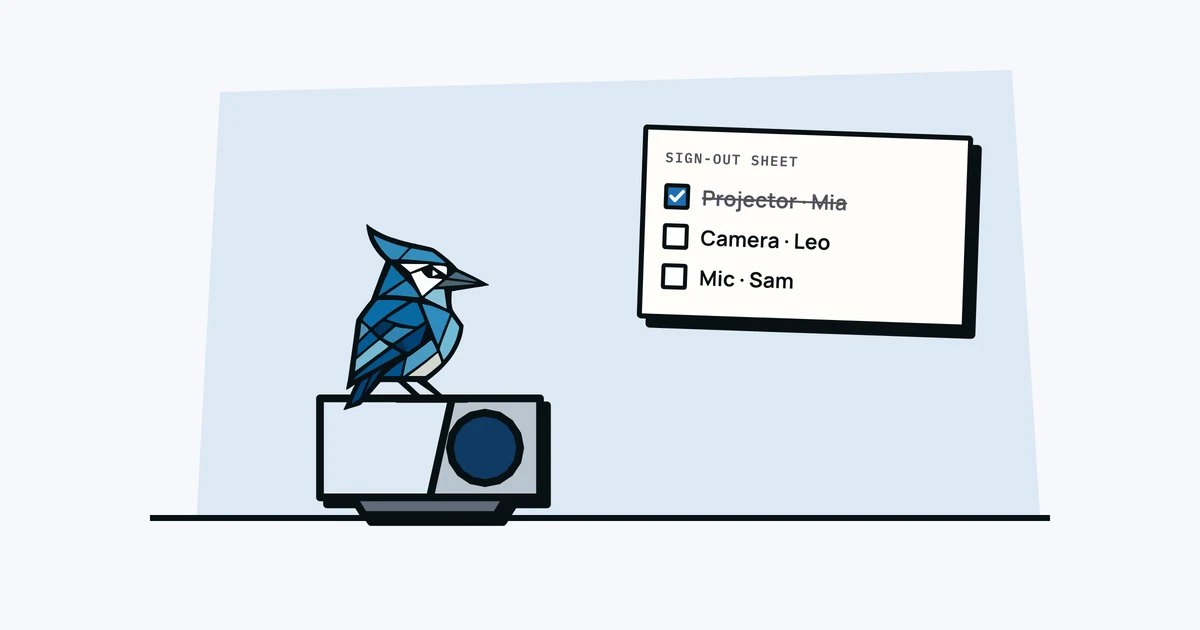
Equipment Checkout Systems
How to track shared equipment that moves between people. From clipboards to spreadsheets to dedicated tools, and when each level makes sense.

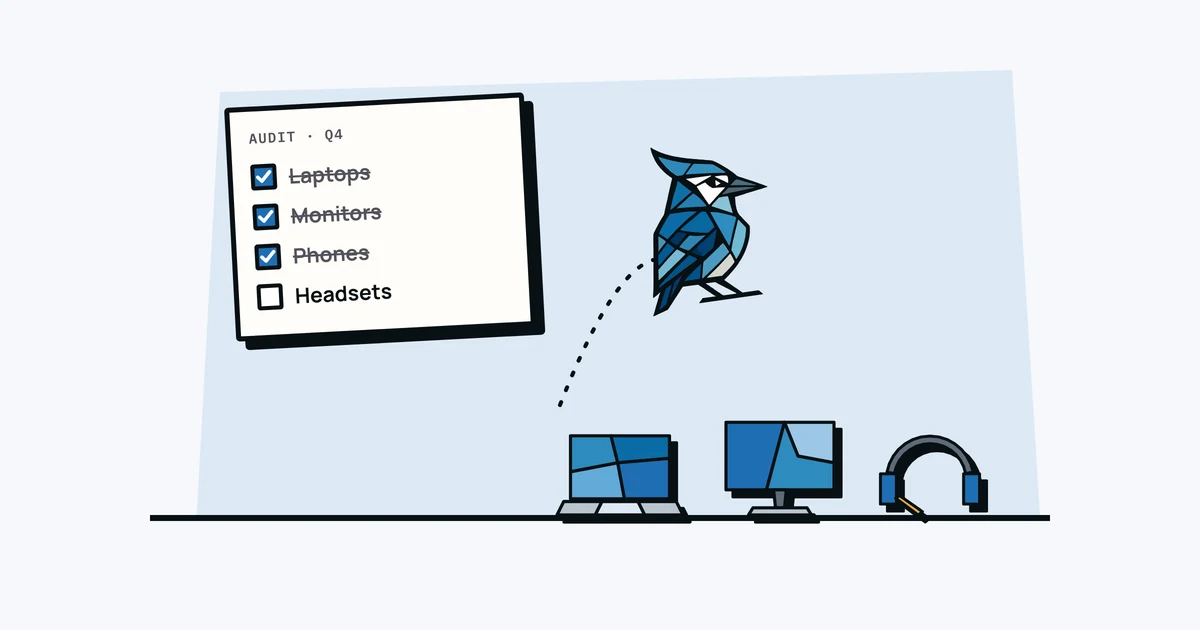
How to Run an Equipment Audit in Under an Hour
A step-by-step guide to auditing your company equipment. Walk the office, check the list, fix the gaps. Takes 30-60 minutes quarterly.

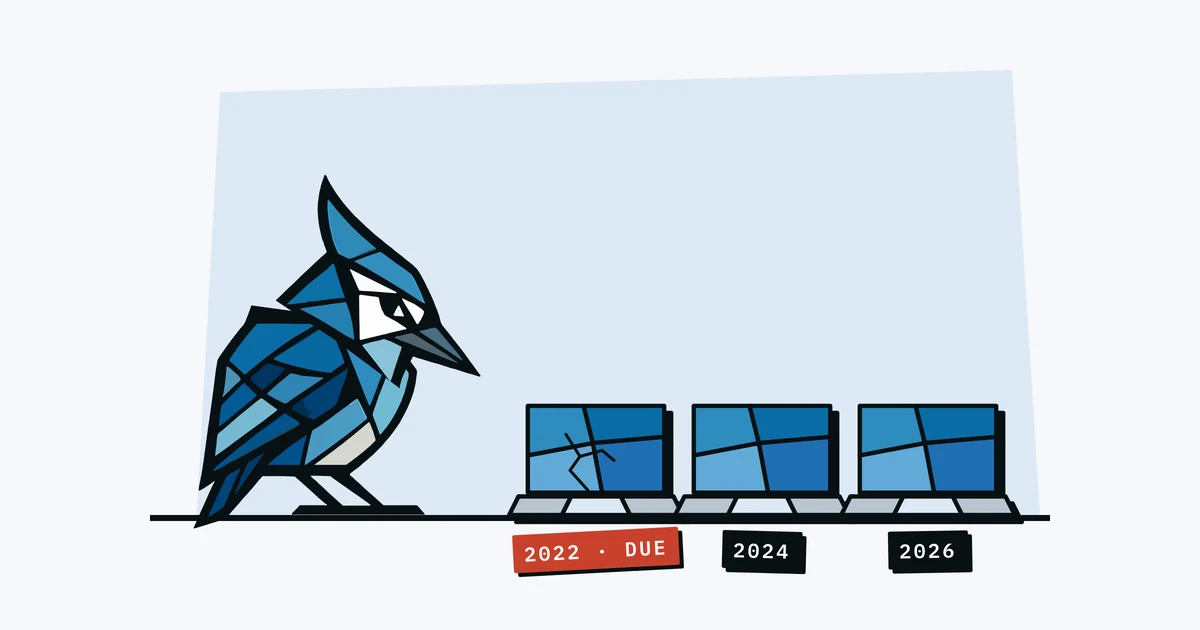
Laptop Refresh Cycles: A 3-Year Policy That Actually Works
A practical laptop refresh policy for IT and ops teams. Covers 3, 4, and 5-year cycles, replacement triggers, and how to budget per device.

Why Equipment Tracking Starts Before Offboarding
71% of HR pros report unreturned equipment. The average cost is $2,000 per person. Here is why tracking needs to start before someone gives notice.

Track Equipment Without an IT Department
A 6-step guide to building an equipment tracking system when nobody on your team is in IT. From building your first asset list to making it a habit.

Best Asset Management Without IT
Most asset management software is built for IT teams. These tools are built for everyone else. A guide for founders, office managers, and ops leads.

7 Best Snipe-IT Alternatives for Small Teams (2026)
Looking for a Snipe-IT alternative? We compared 7 options for small teams — pricing, ease of setup, and what each does better than Snipe-IT.

Best Free IT Asset Management (2026)
Free IT asset management tools compared honestly. What each tool does well, where it falls short, and which is best for a small business team.
Equipment Tracking for Small Teams (2026)
7 equipment tracking tools reviewed for small teams. Honest assessments of pricing, setup, and who each tool is actually built for.

AssetJay vs Itemit
Itemit offers RFID, GPS, and offline mobile. AssetJay offers AI receipts, warranty alerts, and offboarding. Compare features, pricing, and fit.

AssetJay vs EZOfficeInventory
EZOfficeInventory has maintenance and work orders. AssetJay has AI receipts and offboarding. Compare features, pricing, and who each is built for.

AssetJay vs Asset Panda
Asset Panda starts at $250/month for mid-size IT teams. AssetJay is $24.99/month for small teams without IT. Here's how they compare.

AssetJay vs Sortly
Sortly is a visual inventory tool for any industry. AssetJay is built for company equipment. Compare features, pricing, and which fits your small team.

AssetJay vs Shelf.nu
Shelf.nu is open-source with bookings, GPS, and self-hosting. AssetJay is simple equipment tracking for small teams. Compare features, pricing, and fit.

AssetJay vs Snipe-IT
AssetJay vs Snipe-IT compared on features, pricing, and setup. Find out which is the better fit for small teams without a dedicated IT department.

IT Asset Register Template
A practical guide to building an IT asset register for your small business. What fields to track, common mistakes, and when to move beyond a template.

AssetJay vs BlueTally
AssetJay and BlueTally both track assets for small teams, but they solve different problems. Compare features, pricing, and workflows to find your fit.

How to Track Employee Equipment
A practical guide to tracking who has what equipment in your business. Covers assignment models, remote workers, and equipment return at offboarding.

AssetJay vs Spreadsheets
Still tracking company equipment in Google Sheets or Excel? Here's an honest comparison of spreadsheets vs AssetJay and when it's time to switch.

Equipment Documentation for Insurance
What insurers need to see after a theft or disaster, and how to build an equipment documentation system before you ever need to make a claim.

Equipment Offboarding Checklist
A practical equipment return checklist for small businesses. Covers laptops, monitors, access cards, and software licences so nothing slips through.

Track Equipment Without a Spreadsheet
Outgrown the Google Sheet? Here is when a spreadsheet stops working for equipment tracking, the warning signs to watch for, and what to use instead.

Warranty Claims for Company Equipment
Step-by-step guide to filing warranty claims for company equipment. Find receipts, check coverage, and avoid paying full price for replacements.

QR Code Asset Labels for Small Offices
Why QR code asset labels matter and how to set them up. Covers label printers, Avery sheets, and the best spots to place them in a small office.

Equipment Management for Small Business
From missing receipts to offboarding gaps: five practical equipment management lessons that small business owners learn the hard way.

Why I Created AssetJay
I ran a smart home company with 25 people and hundreds of IoT devices. We had no idea what we owned. So I built the tool I wished existed.